Open access15 min
Overview
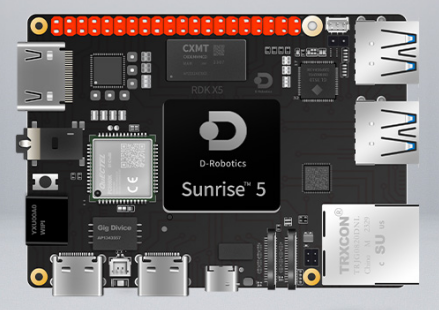
Start with the project philosophy, intelligent platform architecture, and the complete OriginMan hardware profile.
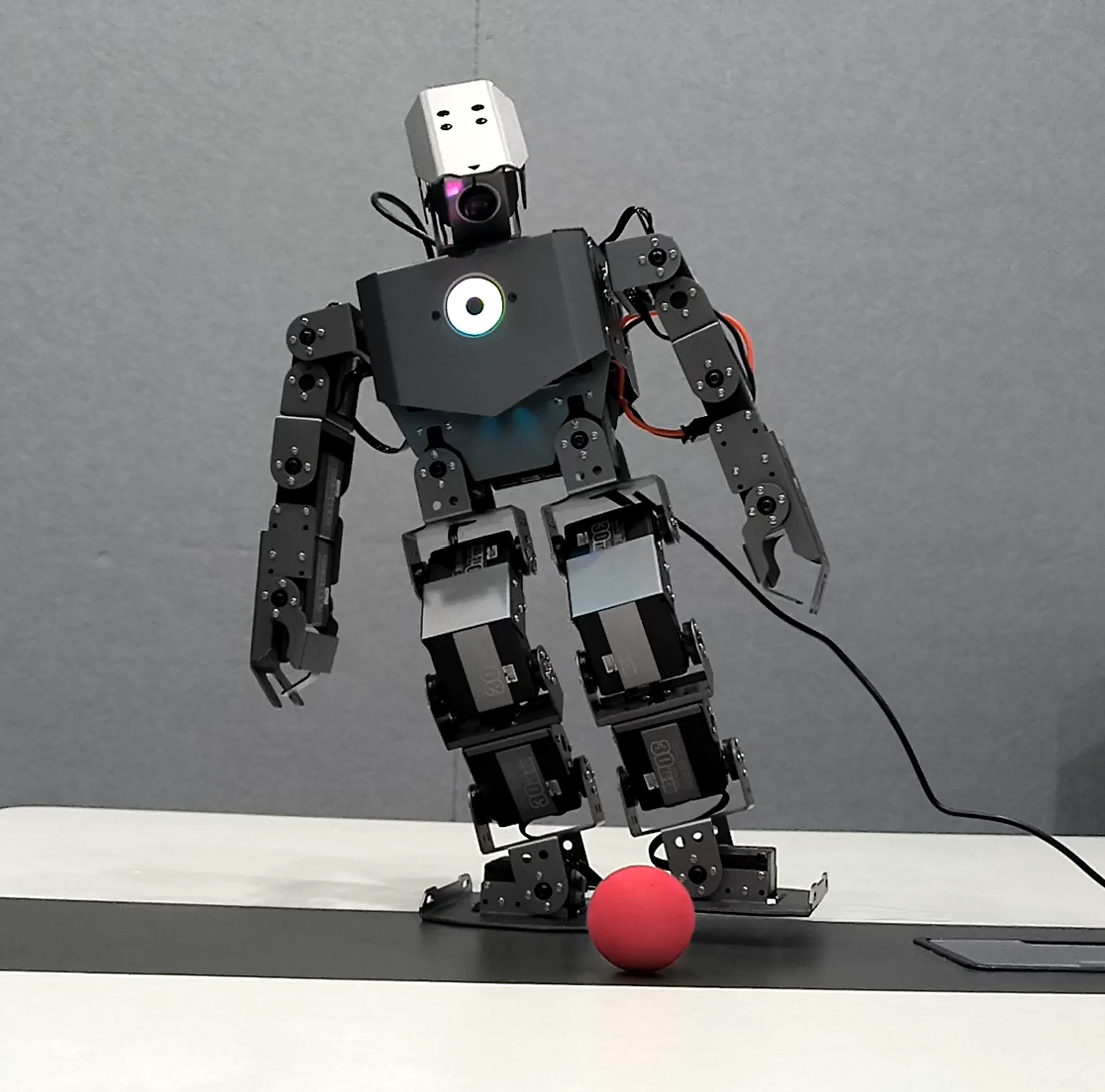
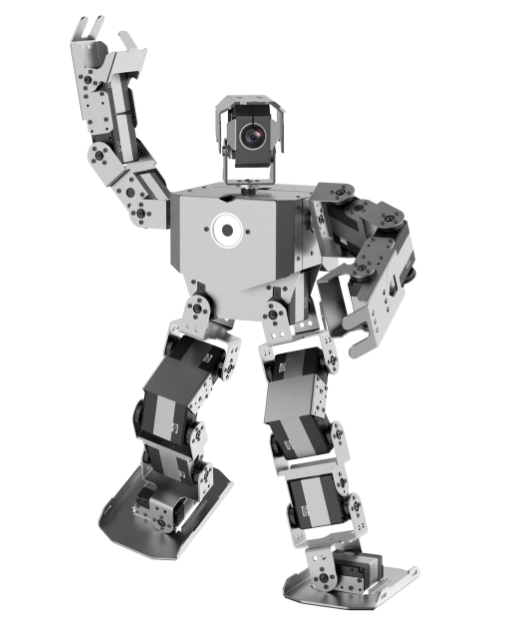
An open humanoid robot subject built around ROS2, embodied intelligence, and hands-on development.
OriginMan is a future-oriented desktop humanoid robot project. Learners move from system understanding to setup practice and guided operation through a structured sequence of courses.
Start with the project philosophy, intelligent platform architecture, and the complete OriginMan hardware profile.
A hands-on block-coding journey: learn coding foundations in the browser, then program the OriginMan humanoid to move, sense, and perform.
Move from block coding to real robot software engineering. Build ROS 2 nodes in Python, publish and subscribe to live robot topics, write launch files and custom interfaces, and ship a multi-node behaviour on a real humanoid.
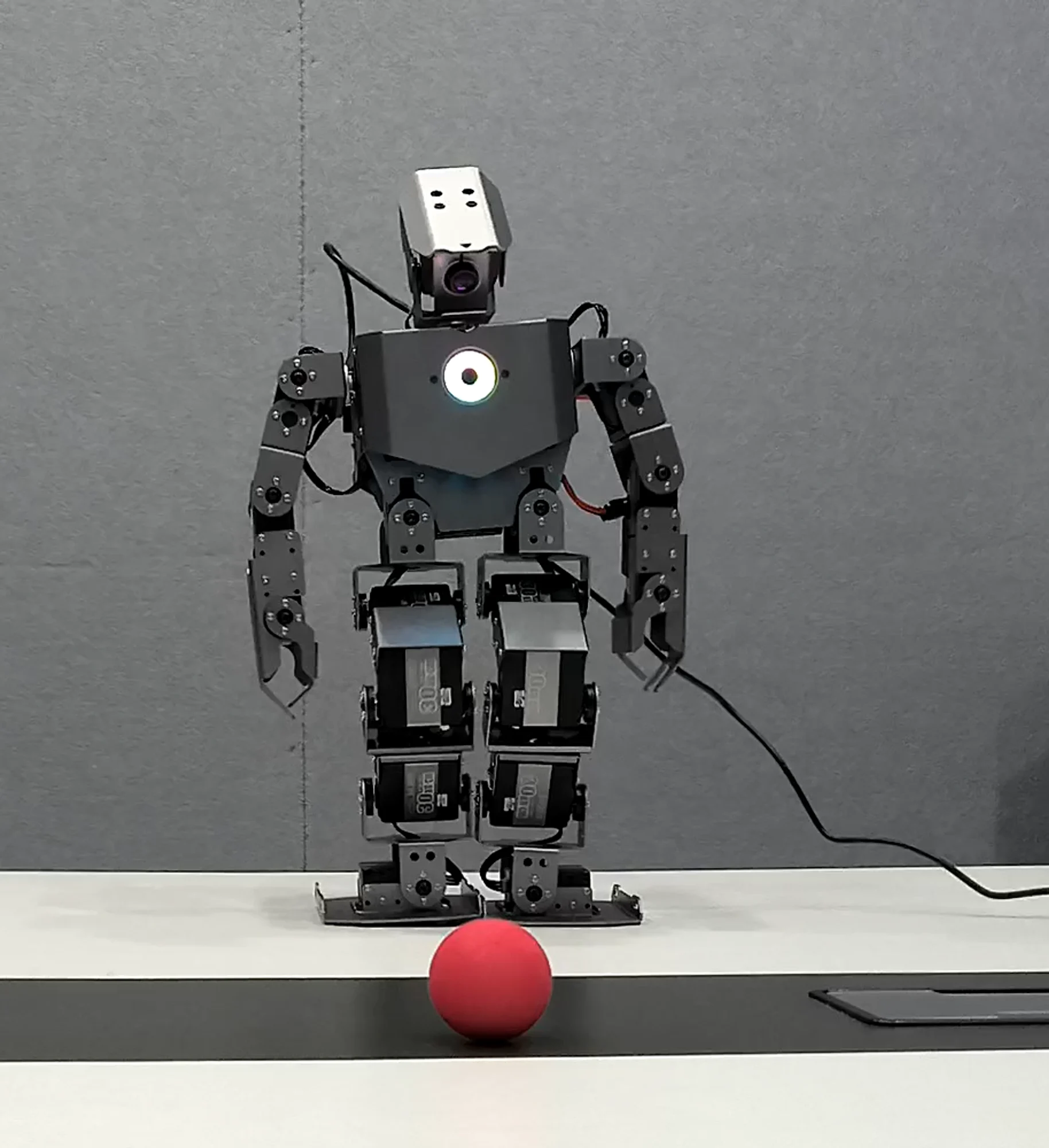
Give the robot eyes. Build a camera pipeline in ROS 2, write classic computer-vision algorithms from scratch, run neural networks on the robot's AI accelerator, and finish by estimating where the robot is from what it sees.